
Inside the Hotel Chocolat Salmonella Product Recall
Public health authorities across the United Kingdom and global food safety agencies have spotlighted an urgent consumer warning: Hotel Chocolat has issued a nationwide product recall due to the potential presence of Salmonella. Published via the UK Food Standards Agency (FSA), the alert centers around select Christmas Classic Chocolate Boxes containing pistachio-based confections distributed between early October and late November.
While Hotel Chocolat and the FSA have emphasized that zero Salmonella has been detected in finished retail chocolates tested thus far, the recall was mandated as a decisive precautionary measure after an upstream agricultural supplier reported potential pathogen contamination in raw pistachio paste shipments. Understanding the microbiology, health implications, and consumer rights surrounding this recall is crucial for every chocolate lover and holiday shopper.
The Microbiology: Why Salmonella in Chocolate Is So Dangerous
Most consumers associate Salmonella bacteria with raw eggs, poultry, or unpasteurized dairy. However, food scientists recognize chocolate as one of the most critical bacterial vectors in the confectionery industry. This boils down to two unique physiological factors:
- The Low Water Activity Paradox: Chocolate has very low moisture (water activity below 0.3). While bacteria cannot grow or multiply in dry chocolate, Salmonella cells can enter a dormant state, surviving intact within cocoa butter fats for years.
- The Gastric Acid Lipid Shield: In water or poultry, human stomach acid kills the vast majority of ingested Salmonella cells, meaning a person typically needs to consume hundreds of thousands of bacteria to fall ill. In chocolate, however, dense cocoa fats coat the bacteria, acting as a physical shield that escorts living bacterial cells straight through strong stomach acid into the intestines. As a result, an infectious dose as low as 10 to 100 bacterial cells can cause severe illness!
Recognizing Salmonella Symptoms & Onset Timeline
If you or someone in your home has consumed an affected Hotel Chocolat product, public health officers urge vigilance for the cardinal symptoms of salmonellosis:
| Stage | Key Symptoms & Clinical Signs | Timing |
|---|---|---|
| Incubation Period | No noticeable symptoms; bacteria transit to intestinal tract | 6 hours to 6 days (typically 12–72 hours post-ingestion) |
| Acute Symptoms | High fever, watery diarrhea, severe abdominal cramps, nausea, vomiting, chills, headache | Typically lasts 4 to 7 days |
| Recovery Phase | Bowel habits gradually normalize; hydration recovery | May take several months for gut flora to fully stabilize |
High-Risk Demographics
While healthy adults usually recover without antibiotic therapy, Salmonella infection can be life-threatening for children under five years of age, adults over 65, pregnant women, and individuals with weakened immune systems. If symptoms include persistent high fever above 102°F (39°C), blood in stools, or signs of dehydration (dizziness, dry mouth, reduced urination), seek immediate medical attention.
The NHS 48-Hour Isolation Rule
The UK National Health Service (NHS) mandates that anyone experiencing suspected Salmonella symptoms must stay home from work, school, or childcare until at least 48 hours after all diarrhea and vomiting have completely stopped to prevent secondary transmission to others.
How Did Salmonella Contaminate Tree Nuts?
Pistachios, almonds, and walnuts grow on trees, but during mechanical harvesting, tree shakers drop the nuts onto orchard soil before collection. If wildlife, agricultural runoff, or bird droppings contaminate orchard ground, raw nut shells can harbor Salmonella. Industrial food processors utilize dry roasting (minimum 160°C–175°C for 10–15 minutes) or steam pasteurization to kill pathogens. In this incident, screening detected a breakdown in raw ingredient pasteurization upstream in the ingredient supply chain before reaching boutique shelves.
What Should You Do With Affected Products?
- Do Not Consume: Even if the chocolates smell, look, and taste completely normal, do not risk eating them.
- Quarantine the Box: Place the affected box into a clean plastic bag and seal it to prevent accidental consumption by family members or guests.
- Sanitize Food Contact Surfaces: If the chocolates were displayed on holiday serving platters or handled on kitchen countertops, wash those surfaces thoroughly with hot soapy water followed by an antibacterial kitchen disinfectant.
- Return for a 100% Refund: Return the box to any Hotel Chocolat boutique or partner retailer. No receipt is required. For telephone support, dial 03444 932323 or email help@hotelchocolat.com.
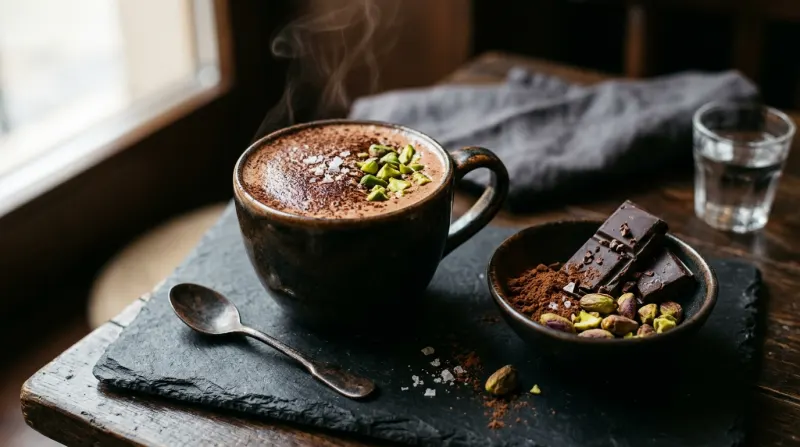
Chef Emily's Certified Safe Pistachio Drinking Chocolate
Craving the luxurious, comforting pairing of rich cocoa and nutty pistachio without any food safety anxiety? You can easily create a boutique-quality, certified-safe pistachio drinking chocolate right on your stovetop.
The Thermal Kill-Step Secret
Commercial culinary guidelines mandate that heating nuts to an internal temperature of at least 165°F (74°C) for several minutes achieves a 5-log reduction (99.999% elimination) of bacterial pathogens. By using oven-roasted pistachios and simmering them in steaming whole milk before melting single-origin dark chocolate, every single sip is guaranteed delicious, safe, and deeply comforting.

Comments & Reader Questions (0)
Tried this recipe or have a question? Post a comment below using your Google account. Whenever someone replies to your comment, you will receive an instant notification in your inbox!