
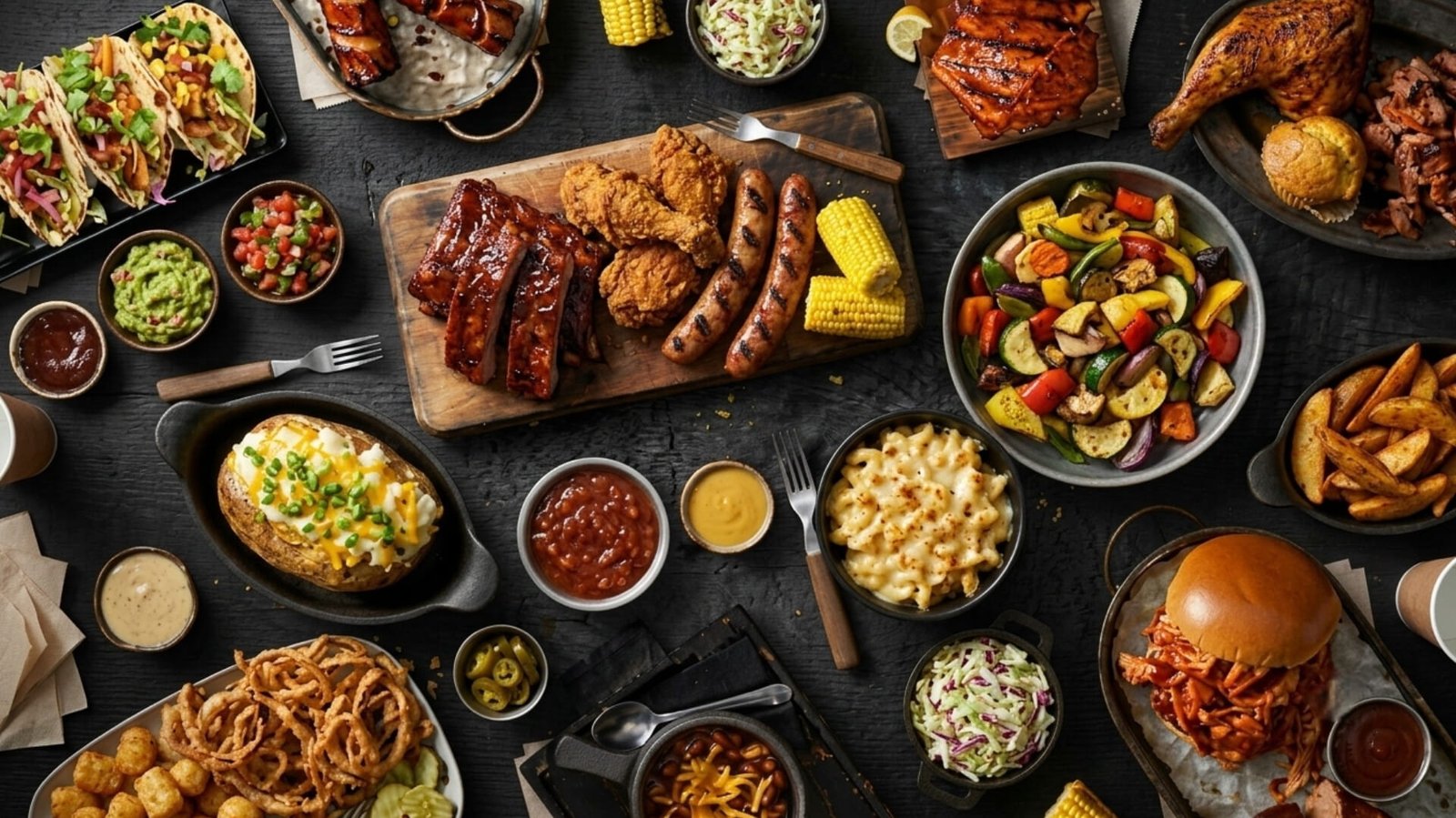
Have you ever wondered why a simple pan-seared protein with pan sauce tastes so extraordinarily richer, glossier, and more balanced at a high-end French bistro than it does at home? It isn't because chefs have access to secret magical ingredients—it is because of fundamental culinary inspirations and subtle kitchen techniques that most home cooks were never taught.
Cooking at an elite level isn't about stressful complexity; it is about understanding how heat, moisture, salt, and fat interact on a scientific level. In this culinary masterclass, we break down the 7 professional chef secrets that will immediately elevate your everyday dinners from routine weeknight meals into unforgettable Michelin-worthy experiences.
The 7 Transformative Culinary Secrets
- 1. The Fond & Pan Deglazing (Liquid Gold): Never scrub away those browned caramelized bits stuck to the bottom of your skillet! That is pure culinary treasure known as *fond*. Deglazing with wine, stock, or vinegar releases concentrated umami that forms the backbone of legendary sauces.
- 2. Monter au Beurre (The Velvet Finish): Why are restaurant pan sauces thick and glossy without cornstarch? Chefs swirl in 1 to 2 tablespoons of ice-cold cubed butter *off the heat*. The cold fat emulsifies into the hot liquid, creating a velvety, mirror-like sheen.
- 3. The Bone-Dry Surface Rule: Water is the mortal enemy of the Maillard reaction. If meat or fish has even a microscopic film of surface moisture, it steams at 212°F instead of searing at 375°F. Spending 60 seconds patting protein bone-dry with paper towels creates that crackling golden restaurant crust.
- 4. Layering Acid at the Finish: If a dish tastes rich but 'flat', it rarely needs more salt—it needs acid. A splash of fresh lemon juice, sherry vinegar, or pickled brine right before serving wakes up the palate and cuts through heavy fats.
- 5. Seasoning in Layers (Not Just at the End): Salt doesn't just make food salty; it draws out moisture, penetrates cell walls, and amplifies inherent flavors. Season at every stage of cooking, not just at the table.
- 6. Residual Carryover Cooking: Meat continues to cook for 5 to 10 minutes after being removed from the flame. Pull proteins 5°F below your target temperature to ensure edge-to-edge juiciness.
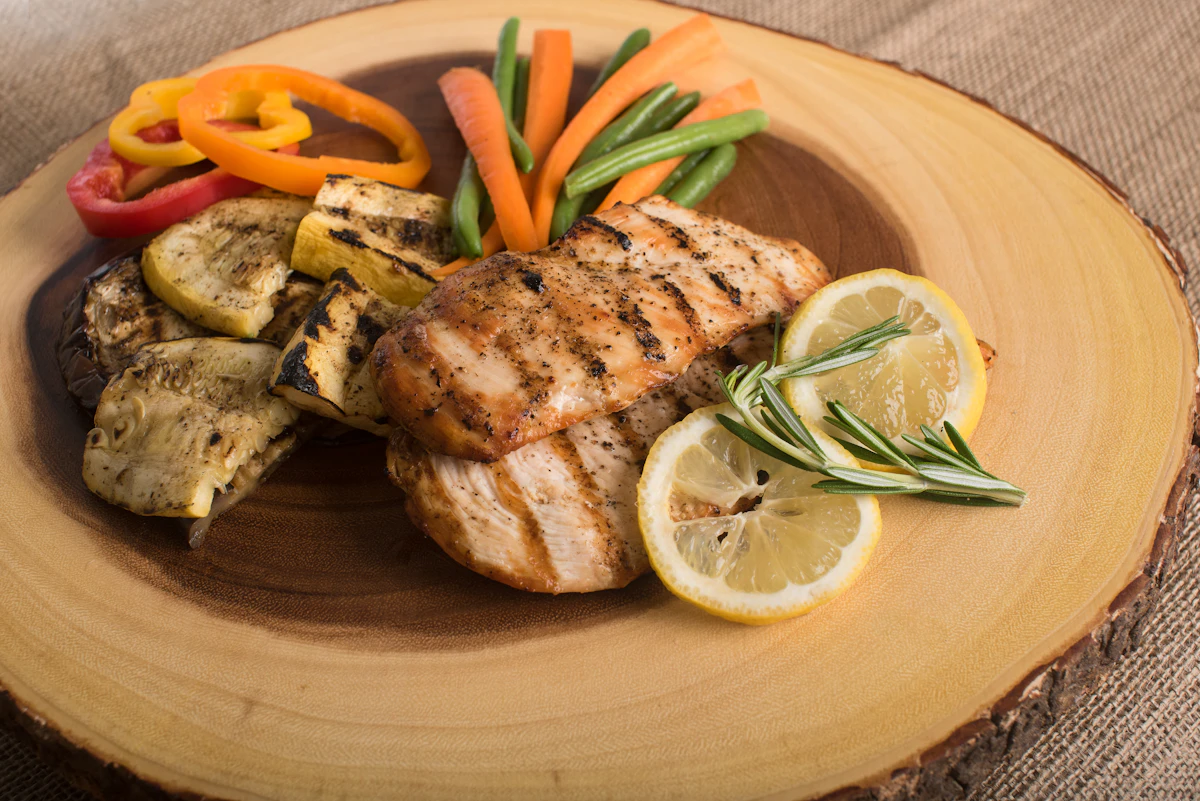
- 7. Plating with Height & Contrast: We eat with our eyes first. Stacking components gently, drizzling sauces around rather than over crispy crusts, and adding fresh herbal green garnishes transforms home plating into fine dining art.
🍽️ Put These Techniques to the Test
Practice these professional techniques with our signature recipes:
- French Masterclass: Master crystal-clear broth with How to Make Crystal-Clear Beef Consommé.
- Pan Sauce Mastery: Cook our Pan-Seared Ribeye Steak with Garlic Butter.
- Dessert Showstopper: Follow with our Viral Homemade Dubai Chocolate Bar!


Comments & Reader Questions (0)
Tried this recipe or have a question? Post a comment below using your Google account. Whenever someone replies to your comment, you will receive an instant notification in your inbox!